Featured Connecticut Homeowner Guides
Explore our latest educational guides crafted by master plumbing technicians to help you protect your home's water supply, drainage networks, and heating systems:
November 4, 2026 • 6 min read
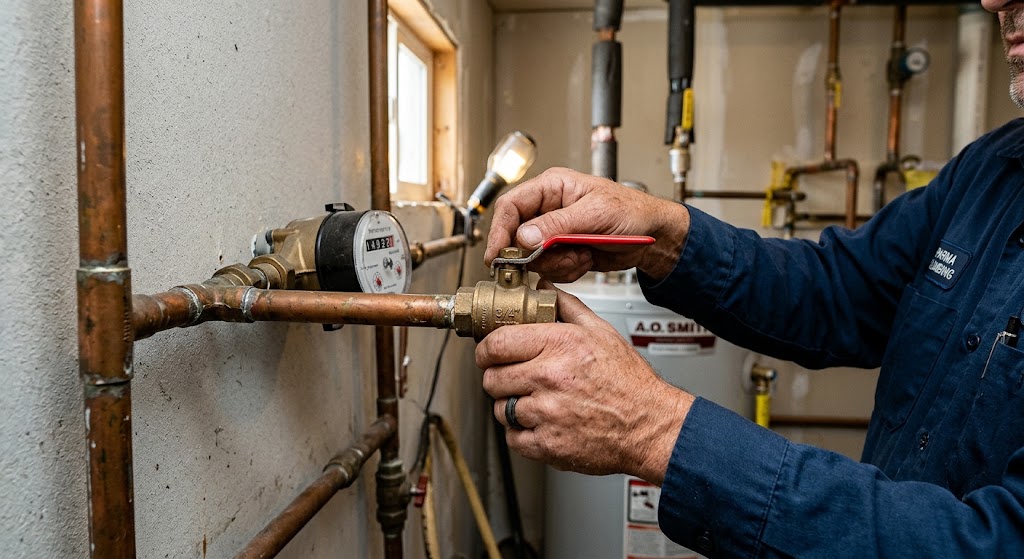
Connecticut Winter Freeze Guide: How to Prevent and Handle Frozen Pipes
Sub-zero polar vortex events frequently threaten Connecticut homes. Learn where pipes freeze first, how to insulate unconditioned crawlspaces, and how to safely thaw frozen lines without rupturing copper joints.
Read Full Guide →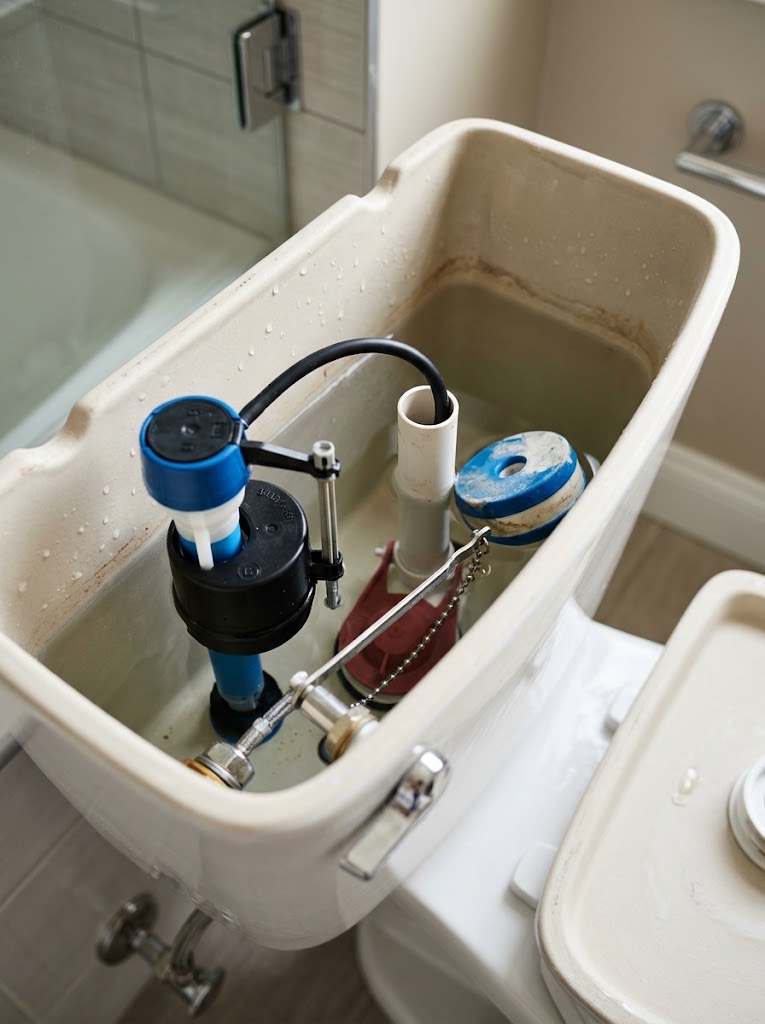
November 4, 2026 • 7 min read
Plumbing Challenges in Historic Connecticut Homes: Cast Iron, Galvanized & Lead
With thousands of homes built before 1950 across Hartford, Fairfield, and New Haven counties, understanding aging pipe metallurgy is essential for avoiding catastrophic water damage and preserving architectural heritage.
Read Full Guide →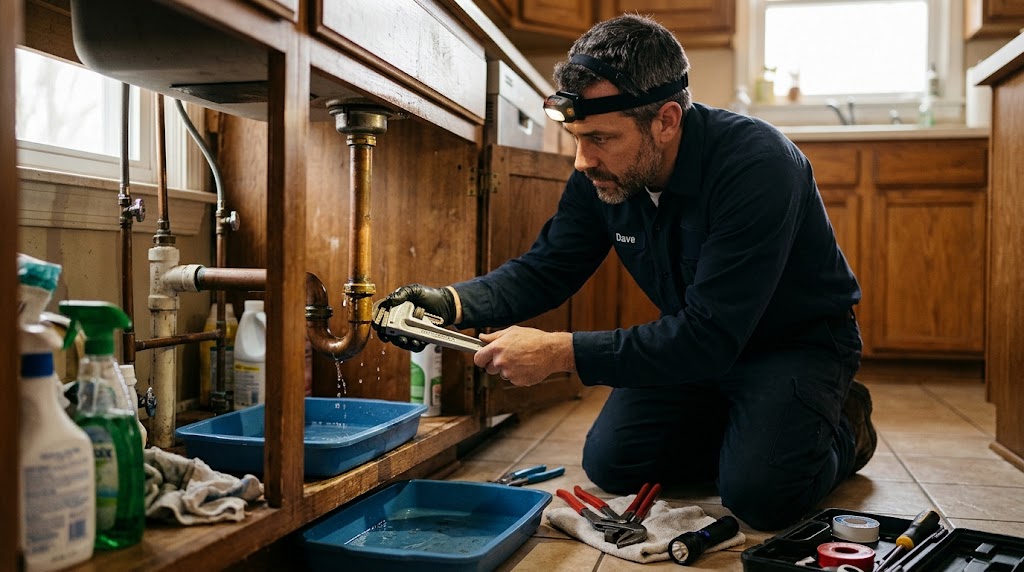
November 4, 2026 • 5 min read
Water Hardness & Mineral Buildup: Extending Your Connecticut Water Heater's Lifespan
Bedrock geology in towns like Danbury, Meriden, and Middletown produces elevated calcium and magnesium levels. Discover how mineral scaling silently destroys tank efficiency and what preventive steps extend tank life.
Read Full Guide →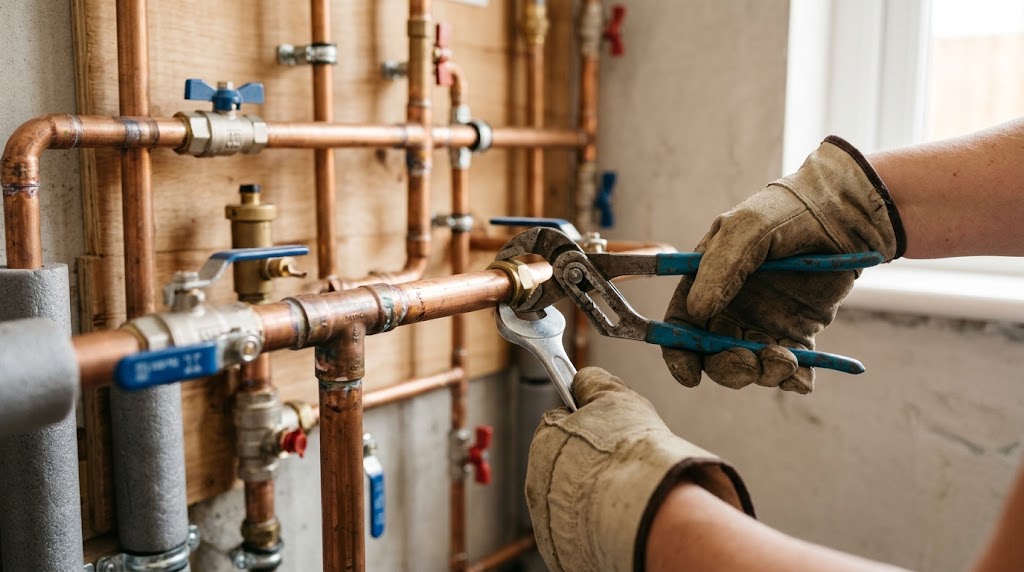
November 4, 2026 • 6 min read
High Water Tables & Storm Readiness: Sump Pump Maintenance for Shoreline Connecticut
Coastal nor'easters and tidal surges create extreme hydro-static pressure against Long Island Sound basements. Learn how to size submersible pumps, test backup batteries, and install discharge check valves.
Read Full Guide →Empowering Connecticut Property Owners with Technical Insight
Maintaining a residential plumbing system in Connecticut requires awareness of seasonal transitions and regional building codes. Unlike warmer climates where plumbing systems operate under relatively constant ambient conditions, New England homes endure severe thermal swings. Water temperatures entering from municipal mains can plunge from 68°F in August to 38°F in January, placing immense expansion and contraction strain on soldered joints, rubber fixture washers, and water heater tanks.
Our educational resources are designed to provide homeowners with practical, non-destructive diagnostic guidance. We believe an informed homeowner is better equipped to recognize subtle symptoms - such as hairline water hammer vibrations, slow-draining vent stack backpressures, or sacrificial anode rod depletion - before they evolve into catastrophic structural water damage.
Seasonal Maintenance Timetable for New England Residences
Bookmark our recommended annual maintenance sequence to keep your plumbing operating at peak performance:
- Early Autumn (October - November): Disconnect all outdoor hoses from sillcocks, drain exterior spigot lines, test water heater temperature-pressure relief valves, and verify basement sump pump operation before winter freezes.
- Deep Winter (December - February): Monitor exposed plumbing in unconditioned spaces during polar vortex events, maintain minimum 65°F household temperatures, open cabinet doors during sub-zero nights, and inspect heating boiler expansion tanks.
- Early Spring (March - April): Perform annual sump pump basin cleaning, test battery backup systems before seasonal snowmelt runoff, and inspect main sewer cleanouts for tree root intrusion.
- Mid Summer (June - August): Flush accumulated mineral sediment from water heater tanks, check water pressure with an external gauge, and test washing machine braided stainless steel supply hoses.